SEARCH THIS WEBSITE
 CALL FOR A FREE CASE EVALUATION


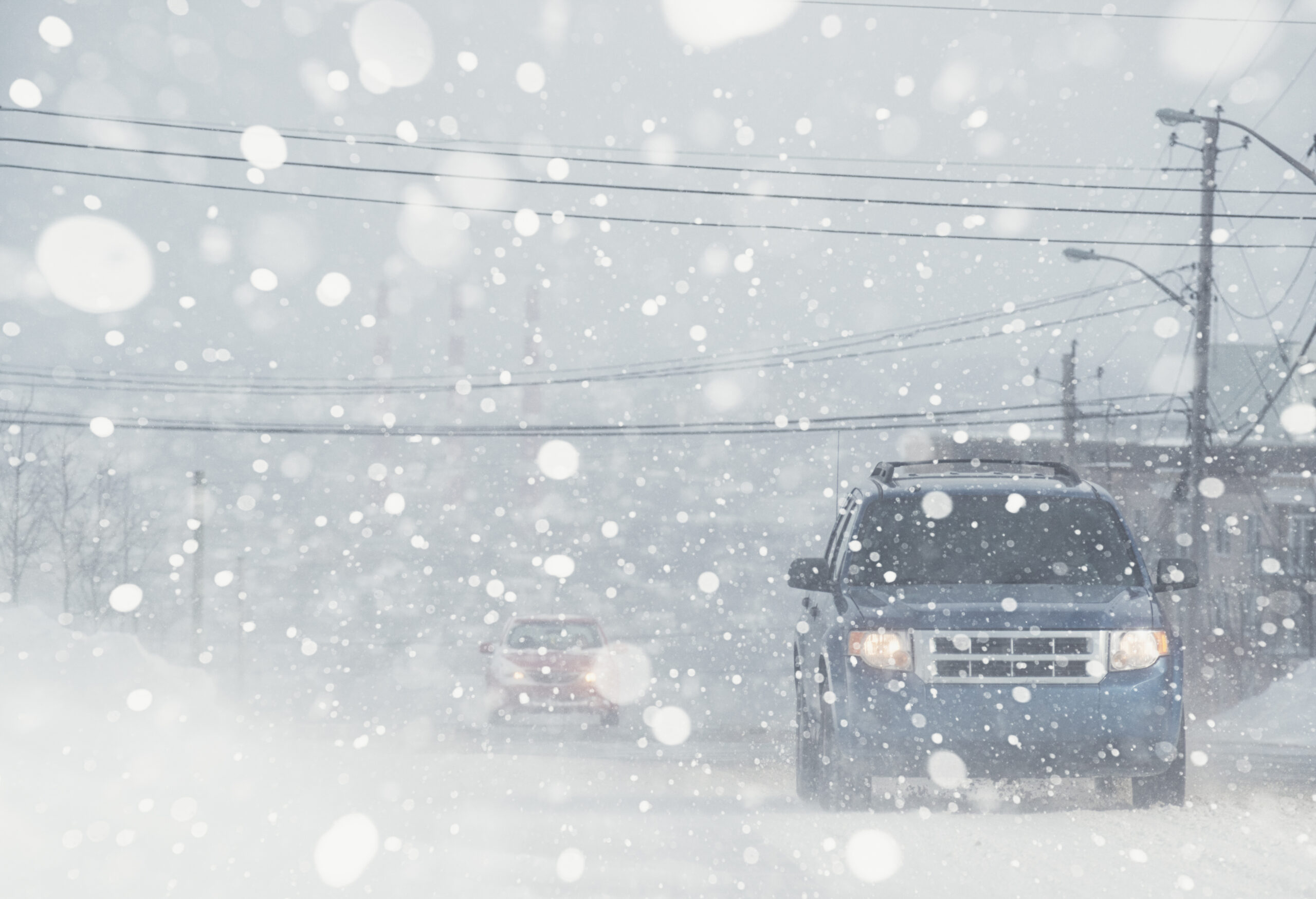
Nova Scotia winters are unforgiving, and few stretches of highway feel that more acutely than Highway 102 between Halifax and Truro. Blowing snow, black ice, and reduced visibility can transform this busy corridor into a dangerous gauntlet within minutes. When a multi-vehicle pileup occurs on Highway 102, the legal questions that follow can be overwhelming.
Understanding your rights before an accident can make a critical difference.
Why Highway 102 Near Truro Is a High-Risk Zone in Winter
Highway 102 between Halifax and Truro is hazardous. Snow, ice, wind, poor visibility, and changing temperatures can reduce traction and stopping distance. Nova Scotia advises drivers to check 511 road conditions, adjust speed to conditions, and leave a safe following distance.
The stretch of Highway 102 running through Colchester County is particularly vulnerable to sudden changes in weather. Temperatures can drop sharply, turning wet pavement to ice in a matter of moments. Reduced sight lines add another layer of risk.
Heavy commercial traffic shares the road with commuters travelling between Halifax, Truro, and beyond. When one vehicle loses control, the chain reaction can involve cars and trucks before anyone has a chance to slow down. These are not ordinary fender-benders. They are complex, high-stakes collisions with serious consequences.
How Multi-Vehicle Pileups Complicate Liability in Nova Scotia
In Nova Scotia, fault in a multi-vehicle crash is determined by examining each driver’s contribution, and fault can be shared among multiple parties.
Nova Scotia law allows fault to be apportioned under the Contributory Negligence Act, R.S.N.S. 1989, c. 95. This means liability is assigned according to each party’s degree of fault. In a pileup, multiple drivers, and sometimes a government authority, can each bear a share of responsibility.
Factors that investigators and courts examine include:
- Following distance at the time of impact
- Speed relative to road and weather conditions
- Whether brake lights or hazard lights were functioning
- The sequence of individual collisions within the pileup
- Whether the highway was adequately maintained
Nova Scotia’s Department of Public Works publishes winter-maintenance levels of service for provincial highways. Road-maintenance records may be relevant when assessing whether a public authority met the applicable standard of care; liability depends on the specific facts and legal requirements.
What Nova Scotia’s Insurance System Means for Pileup Claims
Nova Scotia uses a tort-based insurance system, meaning injured parties can pursue compensation directly from at-fault drivers rather than being limited to no-fault benefits.
Unlike provinces with pure no-fault systems, Nova Scotia allows injured persons to bring a claim against negligent drivers. Under the *Insurance Act*, R.S.N.S. 1989, c. 231, all drivers must carry third-party liability coverage of at least $500,000 per incident.
After a serious pileup, you may have claims against multiple insurers at once. Each insurer will conduct its own investigation, often with the goal of minimising its client’s share of fault. This is where the complexity escalates quickly. Without proper legal guidance, it is easy to accept an early settlement offer that fails to account for the full extent of your injuries, lost income, and long-term care needs.
Nova Scotia also imposes a limitation period. Under the *Limitation of Actions Act*, S.N.S. 2014, c. 35, most personal injury claims must be commenced within two years of the date the claim was discovered. Missing that deadline can permanently extinguish your right to compensation, regardless of how serious your injuries are. Shorter periods and additional requirements to notify in advance may apply to governmental defendants.
Steps to Protect Your Legal Rights After a Winter Pileup on the 102
Acting quickly after a Highway 102 pileup preserves critical evidence and strengthens your legal position under Nova Scotia law.
The hours and days following a multi-vehicle collision are legally significant. Here is what you should do:
- Call 911 and report the collision. RCMP or local police will document the scene and file an official report.
- Seek medical attention immediately, even if injuries seem minor. Soft tissue injuries and concussions often worsen in the days after impact.
- Document everything you safely can: photographs of vehicle positions, road conditions, visible ice, and any posted signage.
- Collect contact and insurance information from all drivers involved.
- Consider obtaining legal advice before providing a detailed recorded statement, and comply with your obligations under your own insurance policy, even if that means contacting your own insurer before you have a chance to speak to a lawyer. What you say will be admissible in evidence. Be honest and provide only as much information as necessary.
How Comparative Fault Affects Your Compensation
If you are found partly at fault for a pileup, your compensation is reduced proportionally, but you may still recover compensation for other parties’ share of responsibility.
Under Nova Scotia’s contributory negligence framework, being partially at fault does not bar your recovery. It reduces it. If your total damages are assessed at $300,000 and you are found 20 per cent responsible, you still recover $240,000 from the other parties. However, the apportionment process is heavily contested, and insurers will fight to assign you a larger share of blame so as to reduce their own insured’s liability.
Proving fault in a multi-vehicle winter pileup requires collision reconstruction expertise, weather and road condition records, and a thorough review of each driver’s actions in the moments before impact. These are not investigations you can conduct on your own.
Talk to McKiggan Hebert Lawyers After a Serious Collision
Highway 102 pileups can cause life-altering injuries, and Nova Scotia’s insurance and negligence laws are designed for people who know how to use them. At McKiggan Hebert Lawyers, we represent injury victims across Nova Scotia, including those seriously hurt in winter collisions on the 102 corridor near Truro.
If you or someone you care about has been injured in a multi-vehicle pileup, contact us to speak with our team about your situation. You can also reach McKiggan Hebert Lawyers directly at (902) 706-2298.
Last updated: September 2026